45 the truth behind calorie labels
The Truth About Low Carb Diets - WebMD But foods marketed as low-carb may often contain high levels of saturated fat and calories, which is why it's important to read the label when comparing low-carb vs. regular foods. The sneaky truth behind nutrition bars - A Healthier Michigan Let's break down the main nutritional misconceptions behind nutrition bars, including sugar, protein, fats, and nutrition label ingredients. Sugar Most nutrition bars have just as much sugar as eating a cookie. In fact, high fructose corn syrup is a main ingredient in most cases.
How to read and understand a nutrition label - CNET Bold text vs. indented text. Bold text on a nutrition label will give you a top-level overview of the nutritional values, and the indented text beneath that breaks it down further. So "Total Fat ...

The truth behind calorie labels
The Big Reveal: What's Behind Nutrition Labels? He found that carbohydrates and proteins were worth 4 Calories per gram and fats about 9 Calories per gram. This 4-9-4 system is how labels are determined ... Exam: 03.03 The Truth Behind the Label Flashcards | Quizlet Exam: 03.03 The Truth Behind the Label 4.7 (15 reviews) Term 1 / 7 The number of calories in a gram of fat is A. half the number of calories in a gram of protein B. equal to the number of calories in a gram of carbohydrate C. more than double the number of calories in a gram of carbohydrates The Truth about Serving Sizes - Women's Health Serving size: 1/2 cup (12 servings per 24-ounce box) Calories per serving: 200 "Cereal in general can be confusing because the serving sizes are based on weight, not volume, so they tend to vary a ...
The truth behind calorie labels. The Truth Behind Calorie Labels - YouTube An OpDoc for the New York Times. Original posting and statement here; Thank You to Dr. Rising, Ping and Dr. Pi-Sunyer as well a... Module 3 The Truth Behind the Label;Eat Like an Athlete - Quizlet more than double the number of calories in a gram of carbohydrates. Brian has decided to alter his eating habits to make them healthier and to encourage a bit of weight loss. Which of the following would be most helpful to him? Read labels carefully to watch for hidden sugars and unhealthy fats. According to FDA regulations, if a product claims ... Are Calorie Counts Accurate? 5 Things to Know - Verywell Fit 11 Aug 2021 — Inaccurate Nutrition Labels ... “The calories in a packaged food product can differ from what is stated on the Nutrition Facts label and you may ... The Surprising Truth Behind These 22 'Healthyish' Food Claims Meat from cows that are grass-fed are naturally leaner (less fat per gram), have fewer calories than conventional meat, contain higher levels of heart-healthy omega-3 fatty acids and two to five times more conjugated linoleic acid (a type of fatty acid linked to a variety of health benefits).One thing to be aware of: the label grass-fed doesn't necessarily mean the cow spent its entire life ...
The Truth Behind the Misleading Labels on Food Packaging This means the product has 50% less fat than its original product and/or the calories have been reduced by at least 33%. Be wary of the claim of "light" correlating to lighter color or flavor, though. Light olive oil and light brown sugar both indicate a less intense flavor and lighter colors respectively, not lighter in calories or fat content. Nutrition labels can be confusing, here's how to read them DV is based on the assumption that you eat 2,000 calories daily. The label then lets you know what percent of needed intake of a nutrient one serving provides. For example, if it says "Vitamin D 10... The Truth Behind Those Misleading Food Labels - LIWLI There is no oversight on this label and certification is optional. Multi Grain While this sounds very healthy, the truth is all it means is that the product contains more than one grain. Unless marked 'whole grain', chances are the grains in the product have been refined, stripping them of their healthiest nutrients. All Natural Cracking The Code: The Truth Behind Food Labels - The Daily Meal "100% Whole Wheat": The only label that ensures that all of the ingredients in the product are made from whole grains. "Excellent Source Of…": Must contain at least 20% of the daily recommended value for that nutrient.
Beyond The Label: Food Packaging Tricks That Fool Us - Meghan Telpner We perceive food that comes in tall, slim packages as healthier and lower in calories than short and wide packages - even if the amount of food in those packages is exactly the same. Tall, slim food packages can often give the perception of being fancier and may also carry a price tag that could support that misconception. The Truth Behind Nutrition Folklore | Winchester Hospital Weight training is the key to building and strengthening muscle. The only way to build bigger, stronger muscles is to exercise them. To fuel heavy weight training, the body needs extra calories, especially from carbohydrates. If you eat excessive amounts of protein, the extra calories will simply be stored as fat or burned. Science Reveals Why Calorie Counts Are All Wrong 1 Sept 2013 — Almost every packaged food today features calorie counts in its label. Most of these counts are inaccurate because they are based on a system of ... Truth Behind Food Labels with Filipino YouTubers - Joanna Soh I decided to put them through a "food experiment" and really explore the taste of each food, WITHOUT knowing what the labels are on them. Watch this video through and learn more about the TRUTH behind food labels and how not to be fooled or confused by it. The food I used in the video are: 1) No Added Sugar Jam vs Sugar Added Jam
Everything you need to know about calories
The Truth About NET Carbohydrates | DrJohnRusin.com First, while IMO is technically a low glycemic carbohydrate, it's hardly considered the lowest of the low. The glycemic index ranks foods based off of their affect on blood glucose levels. Studies have shown that IMO is a 34.66+/-7.65 on the glycemic index (1). This would be equivalent to barley or grapefruit (26 GI) or apple juice (41 GI).
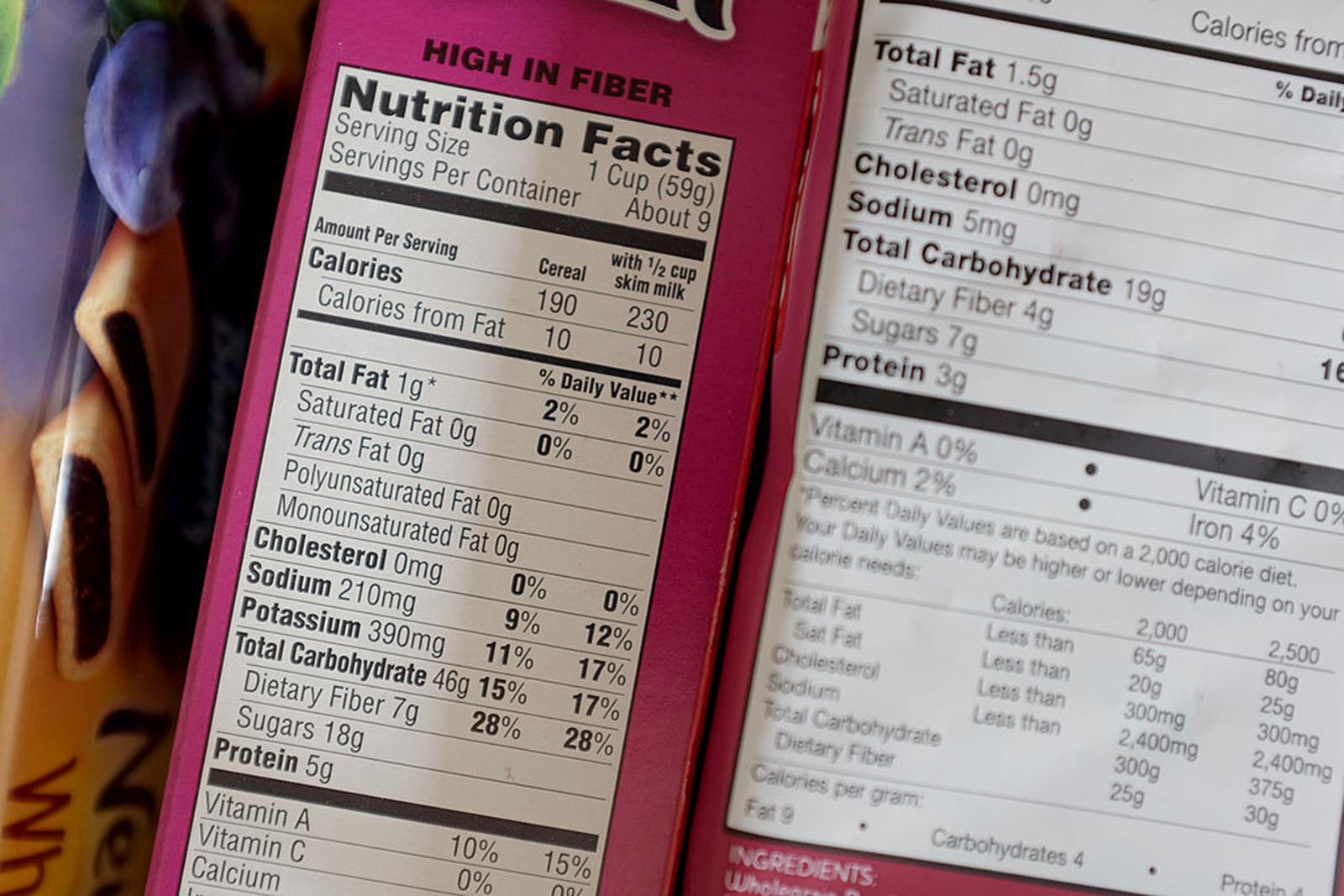
Nutrition labels can be confusing, here's how to read them
Food Label Lies: How to Sort Truth From Hype | HuffPost Life What it doesn't mean: An organic label indicates that 95% of the product is organic (there is also a "100-percent organic" label). And a food with at least 70% organic ingredients can be labeled "made with organic ingredients." Organic also does not guarantee that it was produced on a small farm, is healthy, or that animals were treated humanely.

New FDA Rules Will Put Calorie Labels On Nearly Everything ...
The Truth About Zero-Calorie Drinks and Foods - Yahoo! Skip these calorie-free sauces for a real food version, but read labels, or you'll be dousing your food with a sneaky source of sugar. Total Zero #3: Diet Soda

The Truth Behind Calorie Labels - YouTube
The Truth Behind Calorie Listings - Business Insider 2 Jan 2016 — Filmmaker Casey Neistat tested the accuracy of calorie listings with the help of food scientists.
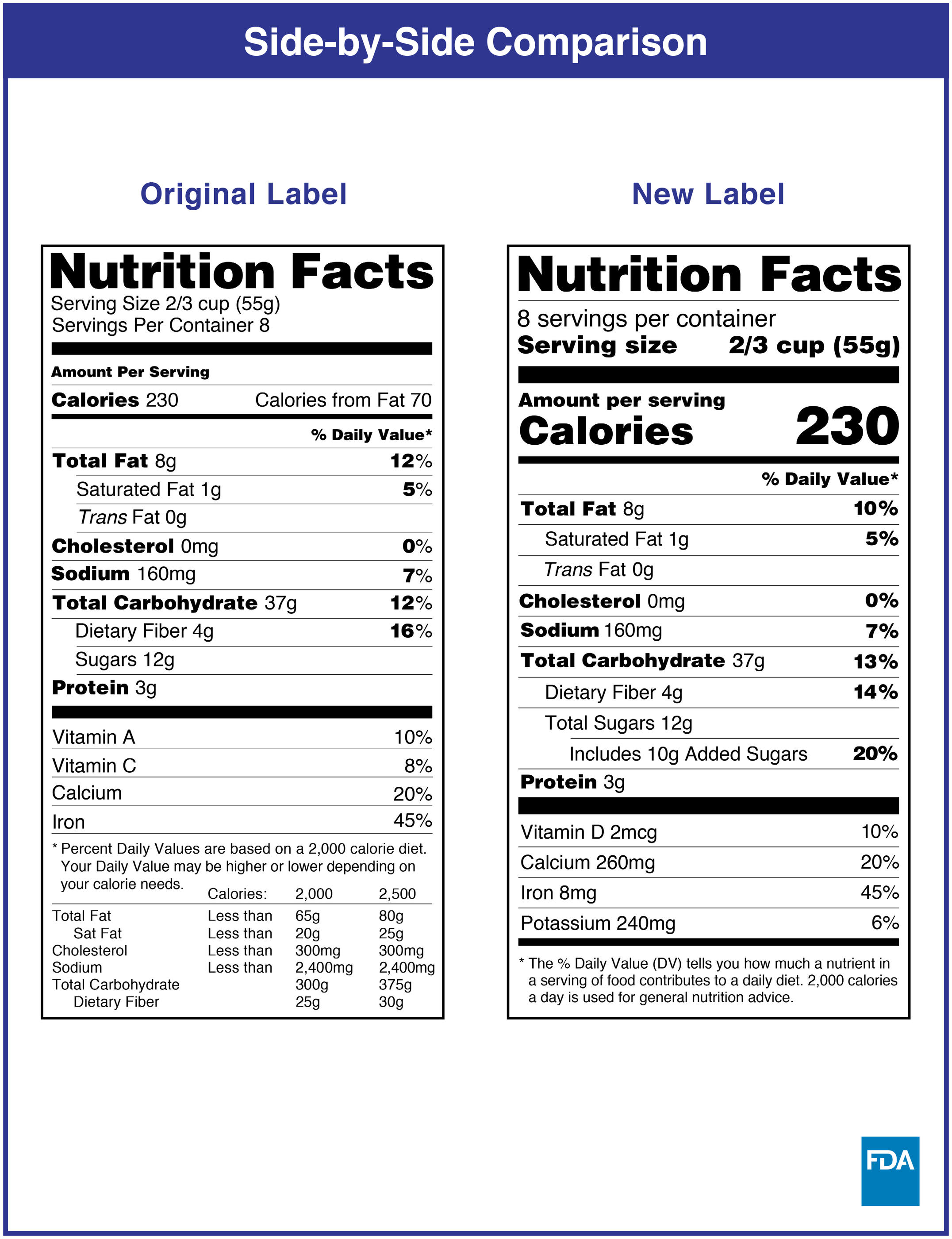
How Do You Know Your Food's Nutrition Facts Label Is Accurate ...
Lying Labels: Exposing the Truth on Calorie Counts The rounding we see on nutrition labels is actually a little non-intuitive and are rounding differently depending on whether is it greater than or less than 50 calories. If it is 50 calories or less labels round to nearest 5-calorie increment (example: round 47 calories to 45 calories). If it is above 50 calories labels round to nearest 10 ...
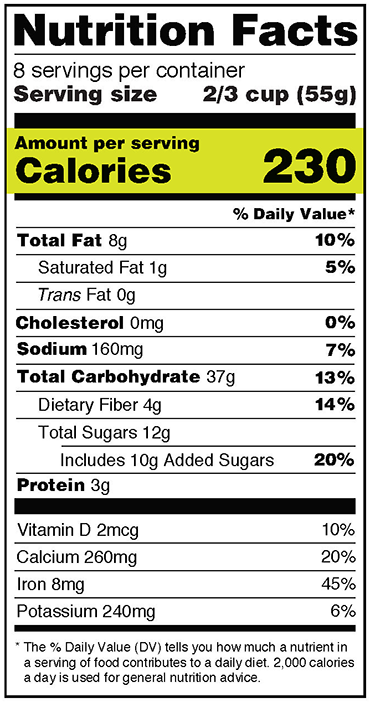
Calories on the New Nutrition Facts Label | FDA
The Truth Behind Calorie Listings - Business Insider The actual calorie content was almost double what the label claimed: a shocking 548.4 calories. That about equates it to a McDonald's Big Mac. Casey Neistat/YouTube And finally, he put Subway to...

FDA survey: Half of U.S. adults read nutritional labels ...
How to Read Nutrition Labels - HealthHub Nutritional data. Focus on the key nutrients that are important to you. If you are on a diet, look at the energy or calorie values. For people with high blood pressure, zoom in on the sodium value or check the saturated fat and cholesterol amounts if you have high cholesterol. Be mindful of fat content; no more than 30 per cent of your daily ...
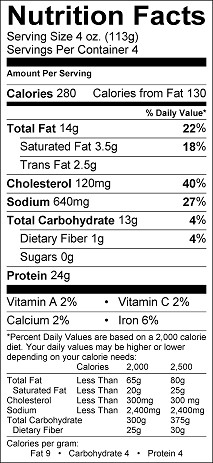
Reading Food Labels - Nutrition Facts Explained
Are the Calorie Counts on Food Labels Accurate? 28 Dec 2019 — A 2013 study on the food label accuracy of snack foods found that their average caloric content was more than 4 percent higher than the calories ...
Calorie Labels Can Be 20% Inaccurate. How to Keep up Your ...
The Truth Behind Food Labels and Food Health Claims In "trans-fat-free" products, manufacturers can label their goods as having no trans fat as long as it contains less than 0.5g per 100g. If you spot partially hydrogenated oil or shortening in the ingredients list, it is nearly always an indication of the presence of trans fat, which is harmful to your heart.

Is Counting Calories Good for Weight Loss? | Time
The Truth About Food Labels - ABC News A University of Minnesota study showed that 91 percent of shoppers often bypass the calorie count before buying an item. That's bad: If each meal exceeds your energy needs by just 170 calories, you can gain a pound a week. Fat Plenty of men still assume that if a food is low in fat, it's good for them and vice versa. Far from it, says Dr. Katz.

Get to Know Nutrition Facts Labels Handouts
Truth Behind Food Labels for Weight Loss - Dailymotion Watch this video through and learn more about the TRUTH behind food labels and how not to be fooled or confused by it.\r \r The food I used in the video are:\r 1) No Added Sugar Jam vs Sugar Added Jam\r 2) Gluten-Free Cookies vs Normal Cookies\r 3) 0% Fat Yoghurt vs Full Fat Yoghurt\r 4) Sugar-Free Granola Bar vs Suger Added Granola Bar\r

How to Read a Food Label - Well Guides - The New York Times
Truth Behind The Label - Telling the true about ingredient decks ... the label you find on the back or the side of a packaged product, finished or an ingredient has the serving size, this is very important information that you must understand, i.e. a cheese cake may have the serving size of only 150g per slice, now someone who is in a hurry may grab this cake, take a quick look at the nutritional label, see the …
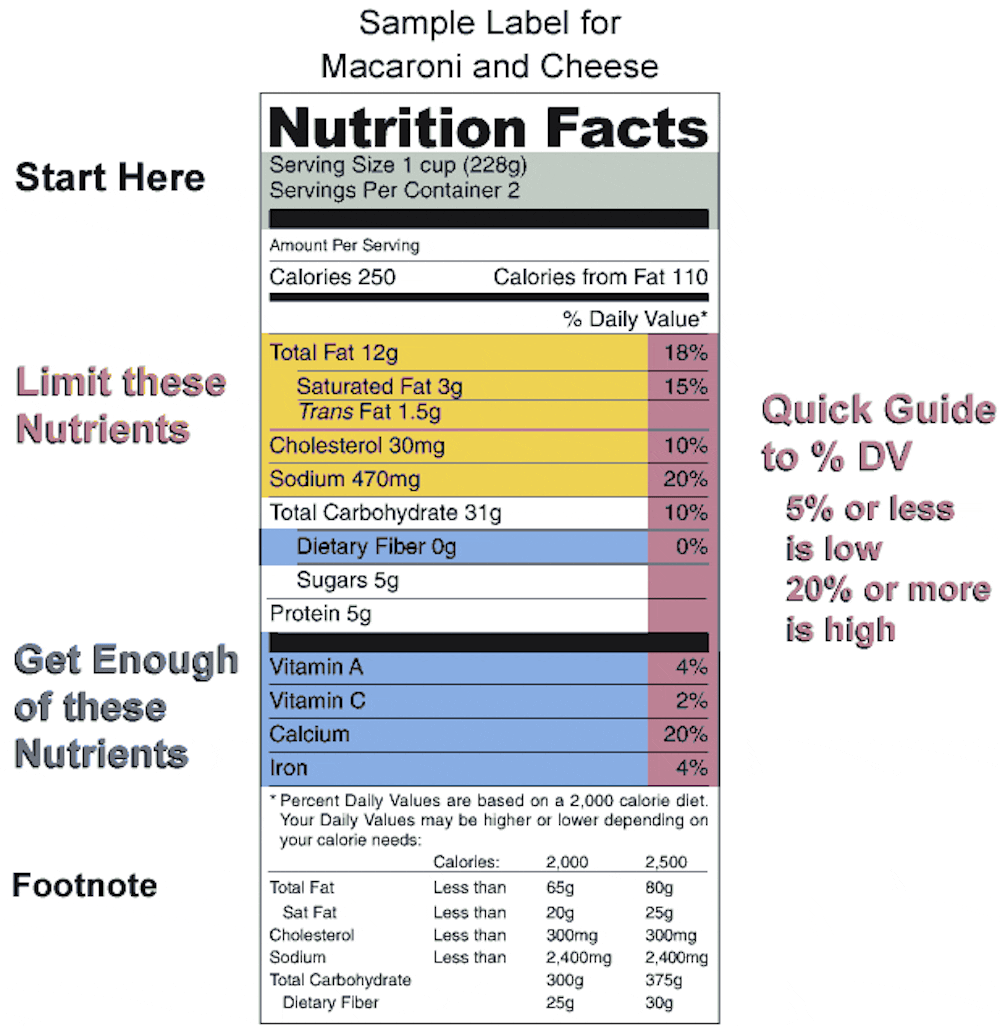
Why most food labels are wrong about calories
The truth behind nutrition labels | Mint The truth behind nutrition labels. ... list of ingredients present and nutrition information—including total calories (energy value) as well as amounts of protein, carbohydrate, fat, sodium ...

The Nutrition Facts Label: Its History, Purpose and Updates ...
The Truth Behind These 7 Common Food Labels, And Why You Should Know ... Minimally processed usually involves washing, aging, drying, freezing, canning, pasteurizing, or cooking the food; but actual processing changes foods — by adding fat and sugar calories, salt, colors, flavors, and various other substances to make the food taste better while reducing nutritional value.

Fat-free,' 'Lite.' What do labels REALLY mean?
Truth Behind Calorie Labels - Raw Food Diet Fundamentals ... Truth Behind Calorie Labels - Raw Food Diet Fundamentals. 38 views Jul 14, 2021 Calories as understood in Physics is very different from Calories in ...
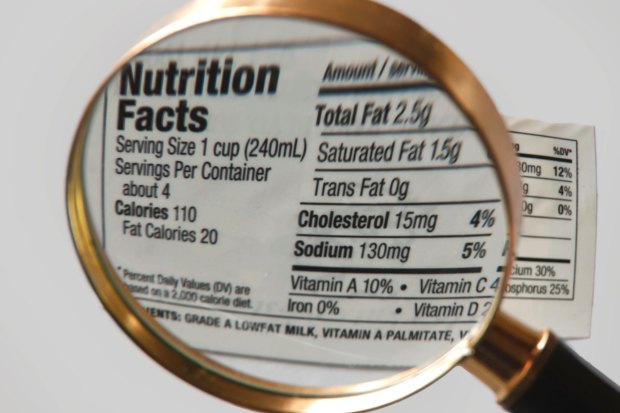
Why most food labels are wrong about calories
The Truth Behind Weight Loss Ads | Consumer Advice Here are some of the false promises you'll often see in weight loss ads: Lose weight without dieting or exercising. (You won't.) You don't have to watch what you eat to lose weight. (You do.) If you use this product, you'll lose weight permanently. (Wrong.) To lose weight, all you have to do is take this pill. (Not true.)

Are Calories on Food Labels Lying to you? | Full Breakdown on what you need to know
Light Beer: The Truth Behind the Label | Nutrition | MyFitnessPal Miller's MGD 64 (2.8% ABV) may only have 64 calories, but it still has 2.4 grams of carbs. That's why it's always worth checking the nutritional information since no two light beers are the same. There are differences in alcohol levels, carbohydrate gram counts, as well as taste — all important qualities when deciding what beer to drink.
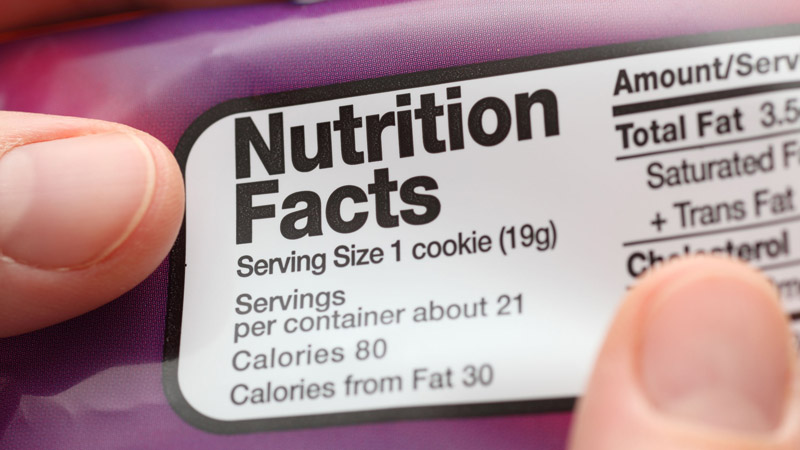
Should You Trust Food Labels? | Shore Physicians Group
The Truth about Serving Sizes - Women's Health Serving size: 1/2 cup (12 servings per 24-ounce box) Calories per serving: 200 "Cereal in general can be confusing because the serving sizes are based on weight, not volume, so they tend to vary a ...
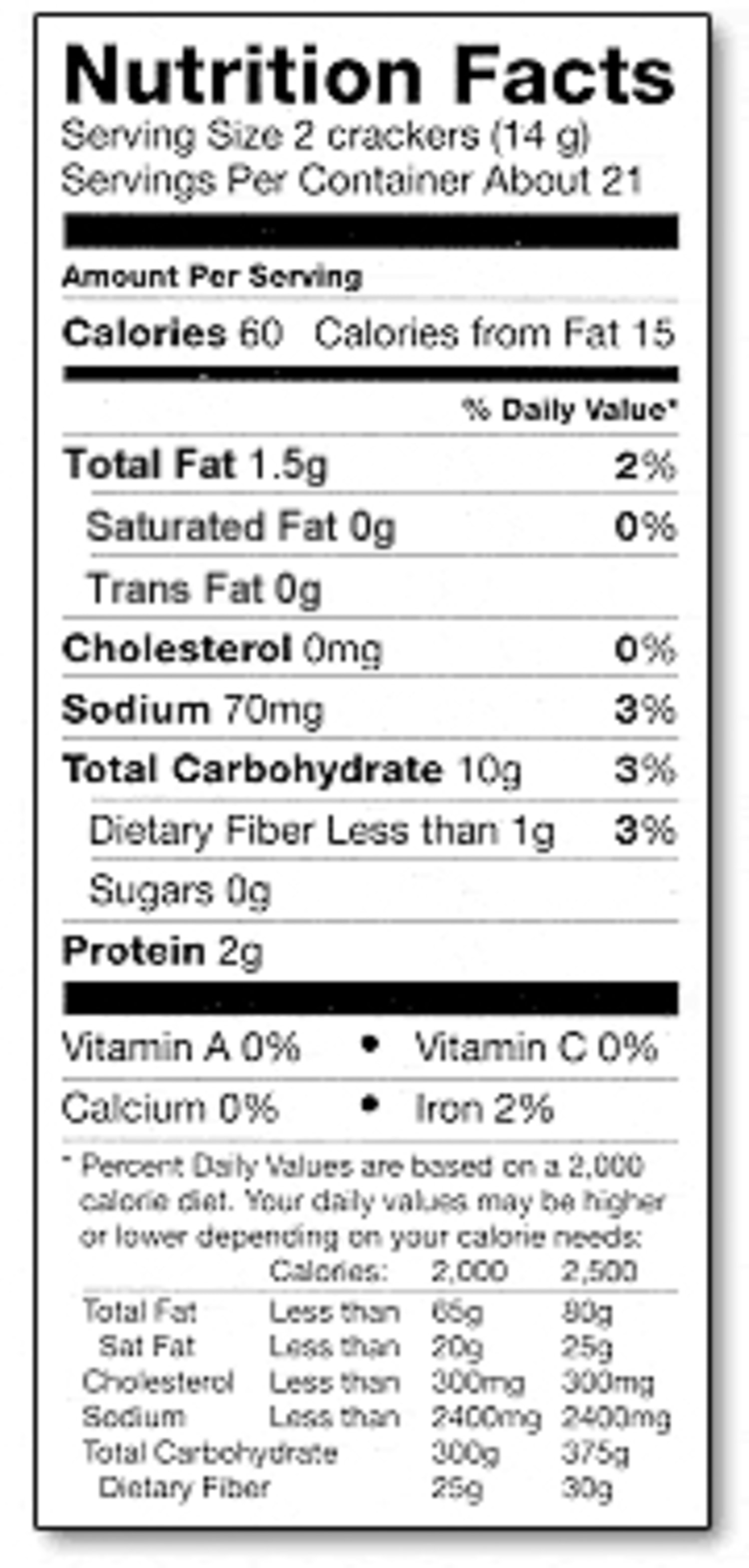
Fat-free,' 'Lite.' What do labels REALLY mean?
Exam: 03.03 The Truth Behind the Label Flashcards | Quizlet Exam: 03.03 The Truth Behind the Label 4.7 (15 reviews) Term 1 / 7 The number of calories in a gram of fat is A. half the number of calories in a gram of protein B. equal to the number of calories in a gram of carbohydrate C. more than double the number of calories in a gram of carbohydrates
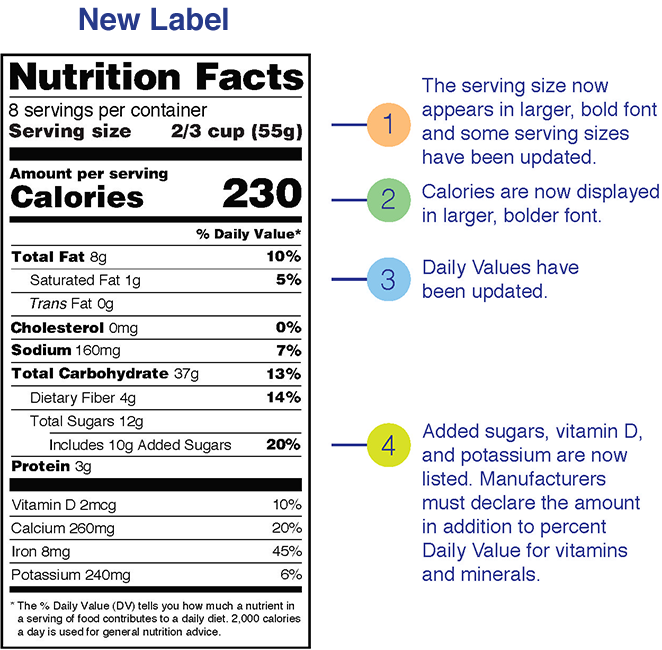
What's New with the Nutrition Facts Label | FDA
The Big Reveal: What's Behind Nutrition Labels? He found that carbohydrates and proteins were worth 4 Calories per gram and fats about 9 Calories per gram. This 4-9-4 system is how labels are determined ...
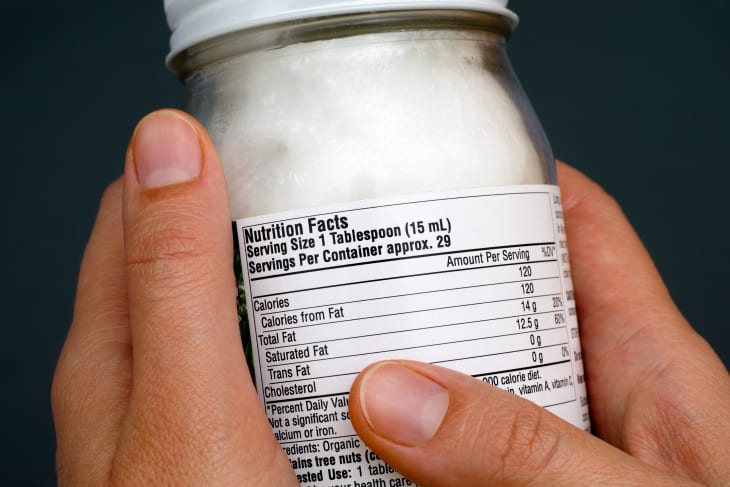
Two Things to Pay Attention to on Food Labels | Kitchn

The truth behind nutrition labels | Mint

Everything You Need to Know About Reading a Food Label

Adam Ruins Everything - The Truth About Calorie Labels | truTV

How To Read Food and Beverage Labels | National Institute on ...

Do food and menu nutrition labels influence consumer or ...

FLOTUS goes big on label changes - POLITICO
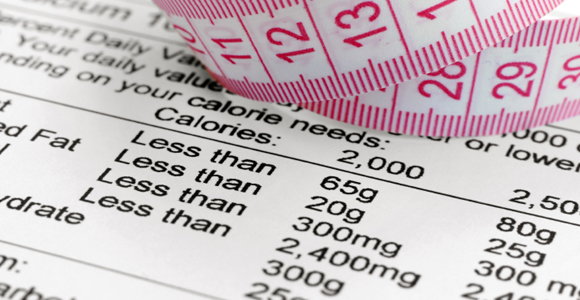
How Many Calories are You Really Eating? You May be Surprised ...
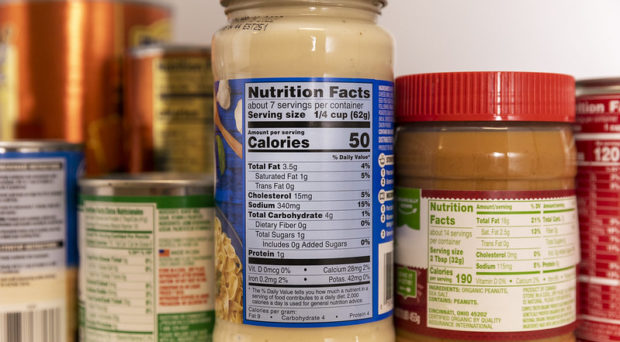
An assessment of nutrition information on front of pack ...
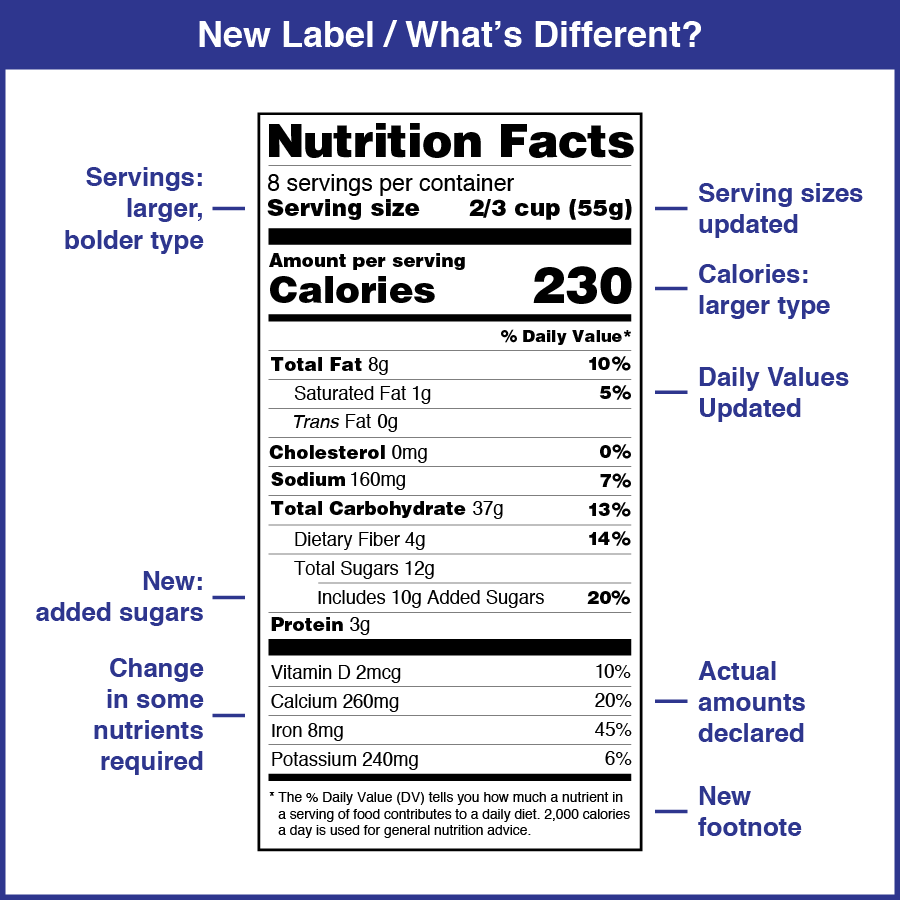
Changes to the Nutrition Facts Label | FDA

Understanding Food Labels | The Nutrition Source | Harvard ...

How to Read a Food Label - Well Guides - The New York Times

How to Read a Food Label - Well Guides - The New York Times
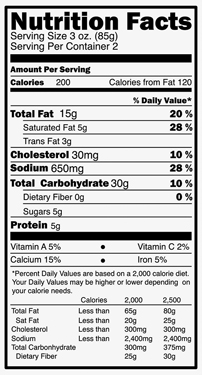
Quiz: Just the nutrition facts | Smart Living | St Josephs ...
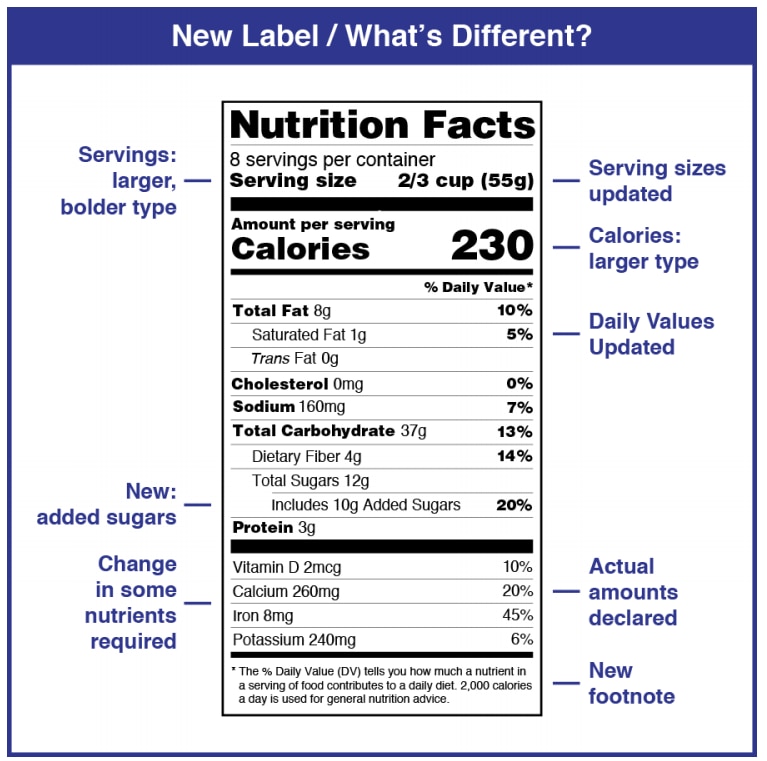
Learn How the Nutrition Facts Label Can Help You Improve Your ...
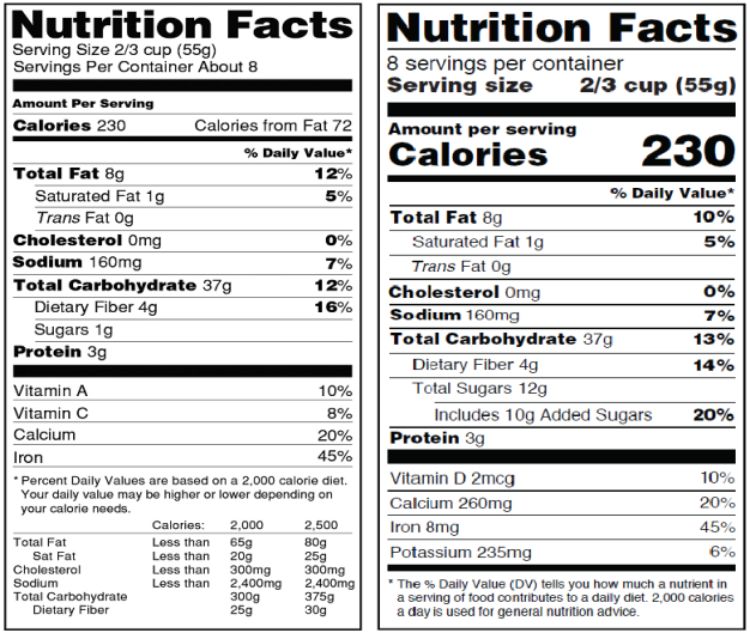
What changes are coming to the Nutrition Facts label? - MSU ...
The Truth Behind Calorie Listings

New Nutrition Facts Label in 2020: Changes and What to Know
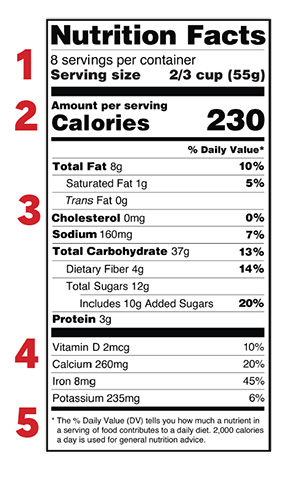
Understanding Food Nutrition Labels | American Heart Association
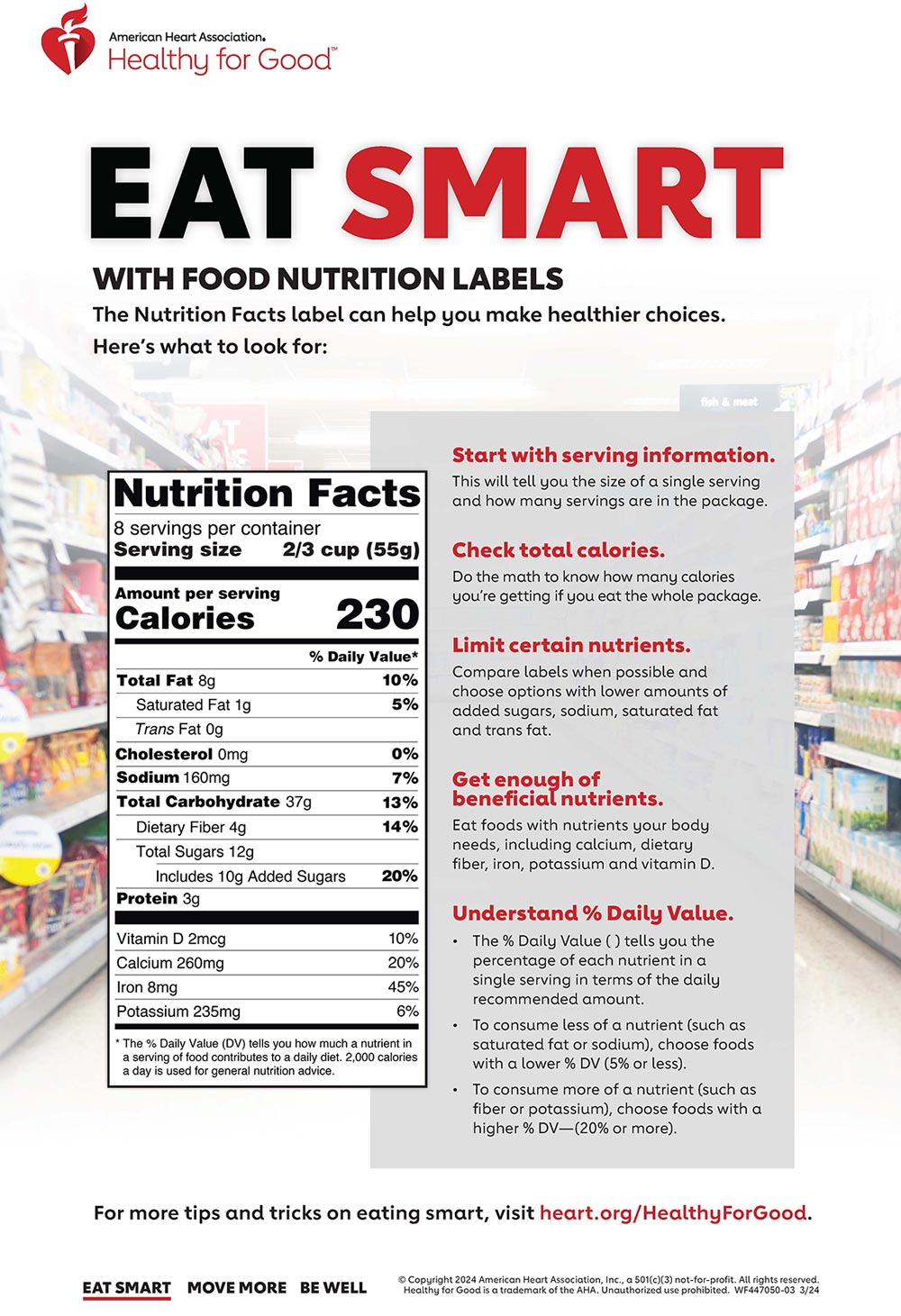
Making the Most of the Nutrition Facts Label Infographic ...

FDA's proposed changes to the Nutrition Facts label are good ...
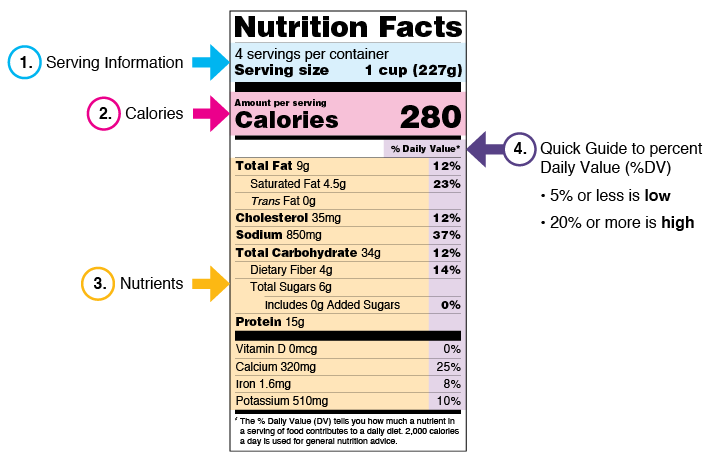
How to Understand and Use the Nutrition Facts Label | FDA
The Truth Behind Calorie Listings
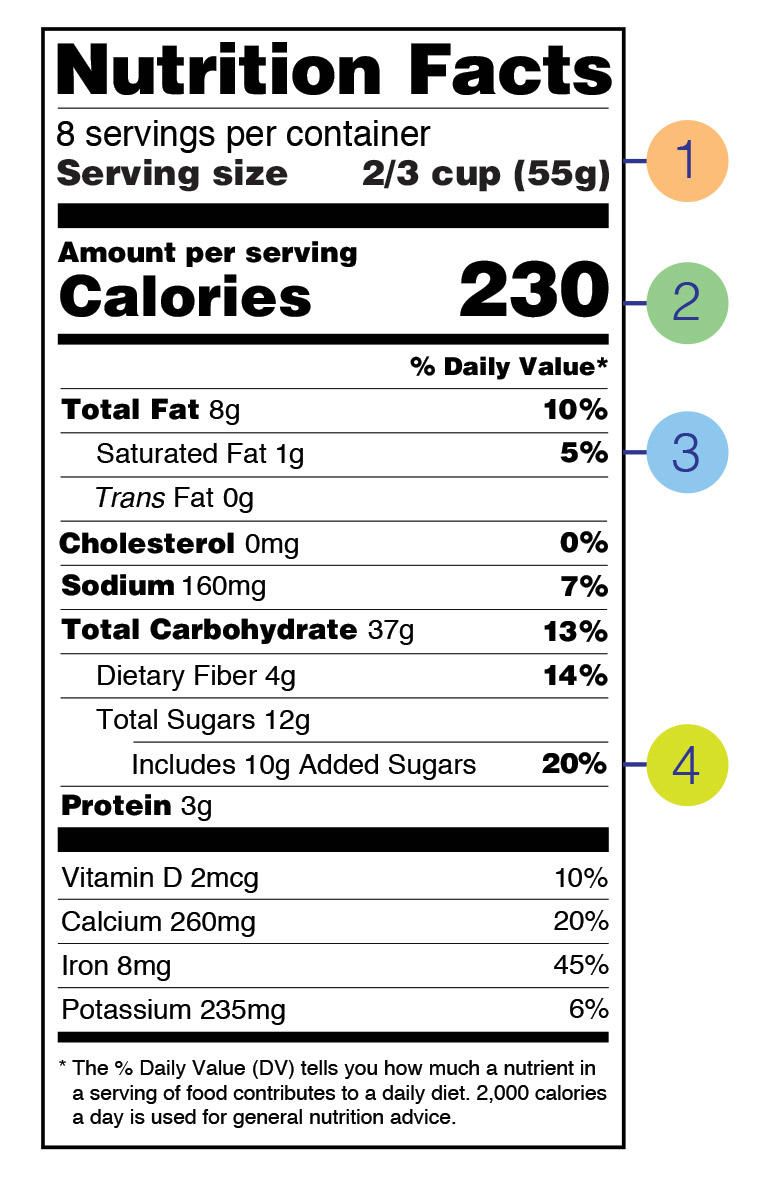
Nutrition Facts Label Reflects Science on Diet and Health ...

Reading Food Labels | ADA
Post a Comment for "45 the truth behind calorie labels"